Sea Animals in English for Kids
A practical starting set for sea animals in English for kids contains 15 names: fish, shark, whale, dolphin, octopus, sea turtle, crab, seahorse, starfish, jellyfish, seal, penguin, squid, lobster, and ray. Begin with three to five animals. Connect each name to a picture or movement, then place it in a short sentence. This method suits beginners and multilingual children who know the animals in another language. The goal is to recognise, pronounce, recall, and use each word in speech.
📥 Sea Animal Word Explorer
Learn, say, remember, and practise useful ocean words
Leave your email — we'll send the PDF to your inbox.No spam — the PDF plus one short reminder. Unsubscribe anytime.
Why Sea Animal Words Give Children a Head Start
Photos, toys, drawings, and videos make sea animals concrete. Their features are distinct: a crab has claws, a ray is flat, and an octopus has eight arms. Teaching sea animals in English for kids links each word to a strong mental picture instead of an abstract definition.
The words develop vocabulary, colours, sizes, body parts, movement verbs, and singular and plural forms. Children can say, “The crab is red,” “The dolphins can jump,” or “The whale is bigger than the seal.” One picture can prompt different language patterns.
A multilingual child may know these animals in two or three languages. Confirm the meaning, then return to English. Point to the creature, say “octopus,” and add “It has eight arms.” The animal becomes linked directly to its English name instead of depending on translation.
The Core List and Useful Sentence Frames
This core set keeps sea animals in English for kids manageable and supports sorting, description, and comparison. Teach five words before adding another group. Move on when the child can name most current animals without hearing the answer.
Use each clue as a speaking prompt, not a definition to memorise. Ask, “Which animal has a shell and flippers?” or “Which animal is flat?” Later, show the picture alone and request a full sentence. Add fin, shell, claw, tail, and tentacle after the animal nouns become secure.
Five sentence frames create varied combinations: “It is…,” “It has…,” “It can…,” “It eats…,” and “It lives….” A beginner might say, “It is a crab. It has two claws. It can walk sideways.” Older learners can connect ideas: “A penguin is a bird, but it cannot fly.”
Pronunciation and Memory Patterns
When practising sea animals in English for kids, mark the beat in longer words. Stress the first syllable in OC-to-pus, DOL-phin, and PEN-guin. Let your child tap the stressed part and soften the remaining syllables. For a reliable model, play the audio beside the entry in the Cambridge Dictionary; one model prevents competing corrections.
Break compound words into familiar parts: sea + horse, star + fish, and jelly + fish. Say each part, join them slowly, then repeat the whole word naturally. Keep sea turtle as two words. Contrasts such as seal and sea help children hear final sounds.
Retrieving a word strengthens memory more than repetition alone. Show a picture, wait briefly, and reveal the answer only when needed. Pair words with actions: open and close both hands for crab, wave eight fingers for octopus, or glide both arms for ray. Review the set later that day and on another day.
Practice Activities for Different Ages
Activities for sea animals in English for kids should match language level, not age alone. Children aged four to six can match pictures, copy movements, and complete one frame: “It is a shark.” Children aged seven to ten can choose a card and give three clues. Learners aged eleven to fifteen can compare habitats, body features, and movement.
Try a two-minute picture hunt. Name an animal and ask your child to point to it, draw it, or find its card. Then swap roles so the child gives the instruction. For quieter practice, use animal worksheets for learning English, followed by one spoken sentence per written answer.
Mystery Sea Animal
Choose an animal without naming it. Give three clues: “It is flat. It has a long tail. It glides over the sand.” The listener answers, “It is a ray.” Younger children may point to the picture. Older children can identify the decisive clue, then create a riddle.
Sorting develops descriptive language. Group cards by fins, shells, claws, tentacles, or resting place. Ask, “Why did you put the lobster with the crab?” An answer might be, “They both have claws.” LearnLink tutors can shorten the task for beginners or add comparisons for confident speakers.
From Single Words to a Short Speech
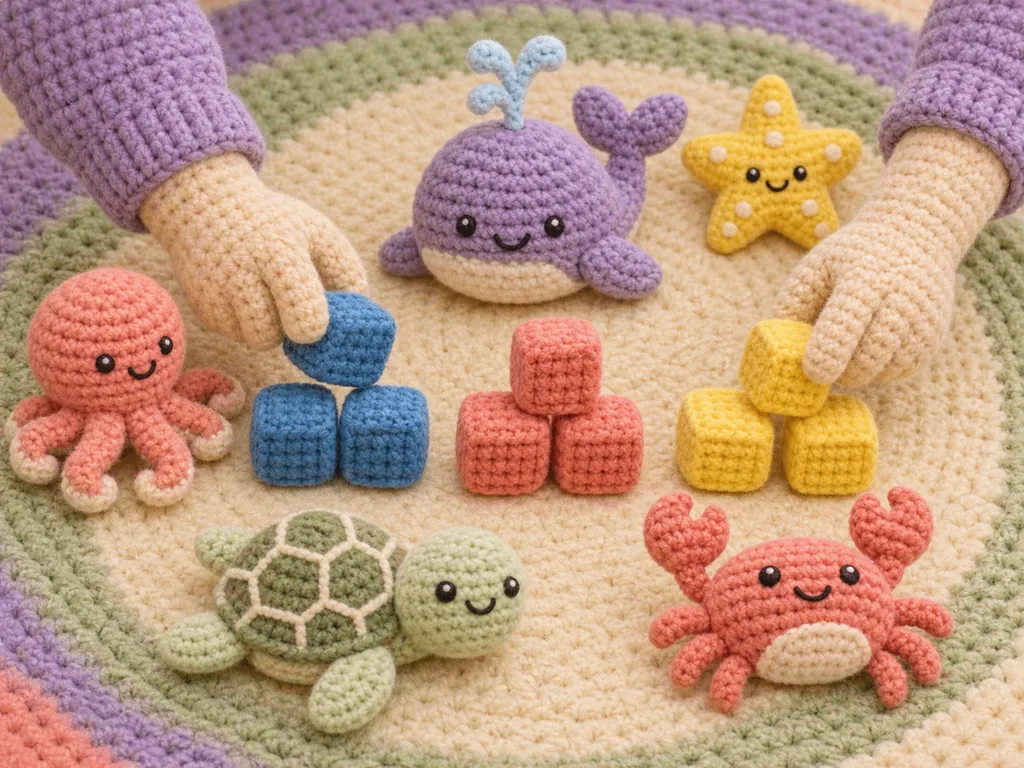
A short speech turns sea animals in English for kids into connected language. Provide a speaking map instead of a script: introduce the subject, describe two or three animals, then name a favourite with a reason. Cards containing one picture or keyword reduce the strain of reading every line.
A beginner model is: “Today I will talk about sea animals. A dolphin can swim and jump. An octopus has eight arms. My favourite is the sea turtle because it has a beautiful shell. Thank you for listening.” Repeated patterns give the talk a beginning, middle, and end without complicating planning.
An older learner can compare: “Sharks and dolphins both have fins, but they are different kinds of animals. A shark is a fish. A dolphin is a mammal and breathes air.” Practise in short rounds: name pictures, complete frames, then speak from keywords. Remove a prompt after a successful attempt.
Three-Prompt Speaking Round
Place three cards in order: animal, feature, and action. Your child might see octopus, eight arms, and hide, then say, “An octopus has eight arms. It can hide near rocks.” Replace one card and repeat. Once the sentences are secure, request a short opening and closing.
Record a round only if your child accepts hearing their voice. On the first replay, identify one success, such as accurate pronunciation or a complete sentence. On the second, choose one change: slower pace, a sharper final sound, or a louder opening. One correction gives the next attempt a specific purpose.
Common Mistakes and Simple Fixes
Teach sea animals in English for kids in small batches. A child who chants a list may not retrieve whale inside a sentence. Mix the pictures, ask fresh questions, and include older words in each round. Three secure words form a stronger base than fifteen names remembered only in sequence.
Children may call every sea animal a fish. Correct the category briefly: sharks are fish, whales and dolphins are mammals, and penguins are birds. Contrast two pictures and ask for one difference. A sea turtle has a shell; a seal does not. A squid has a long body; an octopus has a rounder body and eight arms.
Correct one speaking point at a time. Use “an octopus,” not “a octopus”; “two fish,” not “two fishes” when speaking generally; and “it has fins,” not “it have fins.” Model the correction and invite one calm repetition. During a speech, let your child finish, praise one strong part, then practise the correction.
- Choose five sea animals and say each English name clearly together.
- Point to one picture, then ask your child to name the animal.
- Contrast commonly confused words by placing two animal pictures side by side.
- Repeat the correct word calmly instead of interrupting every pronunciation mistake.
- Review sea animals in English for kids using a homemade picture book.
Frequently Asked Questions
How Many Sea Animal Words Should My Child Learn at Once?
For sea animals in English for kids, most beginners can practise three to five new words per short session. Mix them with familiar words and request each name from a picture or clue. Add another group when current words appear in sentences without a spoken model. Recall and confidence determine the pace.
Should We Use Translations When Learning Sea Animal Words?
Translation can confirm meaning for a multilingual child, but should not become the only route to English. Show the animal, say its English name, and place it in a sentence. After checking a home-language meaning, return to English. Pictures, gestures, clues, and comparisons connect the creature directly with its English name.
What Can I Do If My Child Is Nervous About Speaking?
Reduce the audience and task. Let your child speak to one adult, a sibling, or a toy, with picture prompts visible. Rehearse the opening sentence and allow a restart without comment. Praise a specific action, such as completing a sentence, then choose one point for the next round.
How Can We Check Progress Without Giving a Test?
Place the words in a new setting. Show unfamiliar pictures, request a riddle, or say, “Put the animal with claws beside the whale.” Progress means recognising a word in a sentence, retrieving it without a model, and using it to describe or compare an animal. Keep the check brief, then resume play.
A short one-to-one lesson can show what level and pace fit your child — book a trial English lesson.
Stay updated on our latest tips and resources by following us on Instagram LearnLink.